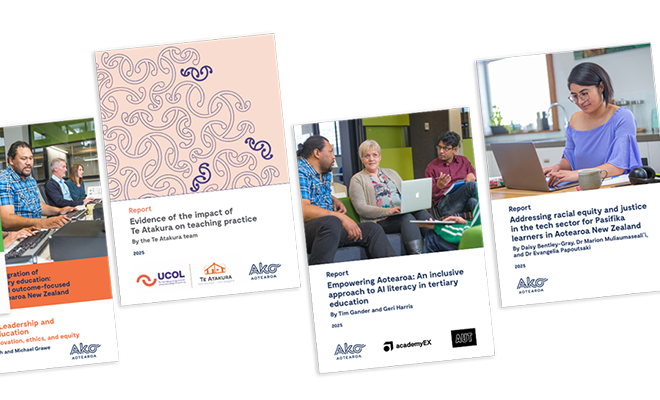
Ako Aotearoa is proud to release five significant research outputs that address critical issues shaping tertiary education and workplace inclusion in Aotearoa New Zealand.
These reports, funded through the AARIA project fund, provide evidence-based recommendations and practical tools to support educators, learners, and organisations. We acknowledge the amazing individuals and teams completing these bodies of work with tight timeframes given the closing of Ako Aotearoa on 19th December.
Together, these reports tackle some of the most pressing challenges in tertiary education:
- Closing equity gaps for Māori and Pasifika learners.
- Preparing educators and learners for ethical, inclusive use of AI.
- Building culturally responsive and neurodivergent-friendly environments.
They offer practical tools, frameworks, and recommendations to help educators, organisations, and policymakers create systems that are inclusive, future-focused, and grounded in Te Tiriti o Waitangi principles.
Access the Reports
All four reports are available through the Ako Aotearoa Knowledge Centre or can be accessed via their project summaries below.
Evidence of the impact of Te Atakura on teaching practice – Led by Tim Seaholme and Janell Kiriona
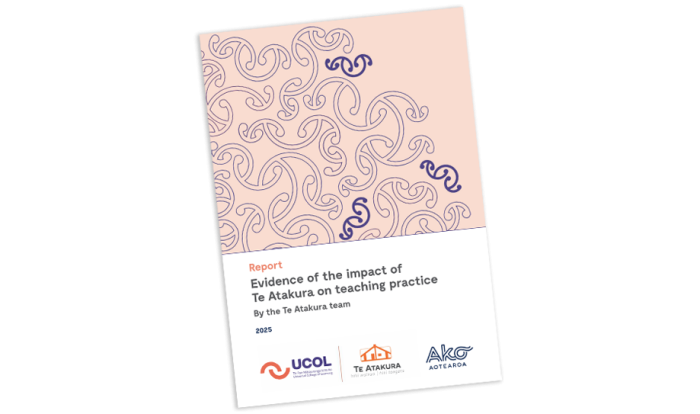 The Evidence of the Impact of Te Atakura on Teaching Practice report, evaluates the effectiveness of Te Atakura, a culturally responsive, relationships-based teaching initiative designed to uplift Māori learner success. It draws on observation data and iterative inquiry cycles to measure how kaiako have shifted their practice toward high-impact strategies such as whanaungatanga and discursive interactions.
The findings also show clear improvements in engagement and achievement for ākonga Māori, supported by professional learning workshops and coaching. Voices from learners and educators are highlighted in the report and speak to the transformative impact of co-constructed learning environments and power-sharing approaches.
Read the full report in our knowledge centre
Addressing racial equity and justice in the tech sector for Pasifika learners – Led by Daisy Bently-Gray and Dr Marion Muliaumaseali’i
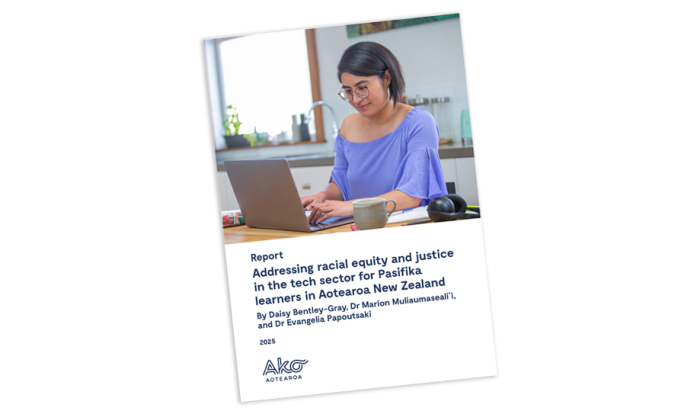 This research explores systemic barriers and opportunities for Pasifika learners and professionals in the technology sector. Despite making up 8.9% of New Zealand’s population, Pasifika representation in tech remains below 3%.
The Addressing racial equity & justice in the tech sector for Pasifika learners in Aotearoa New Zealand report, examines the effectiveness of micro-credentials, Pasifika-led IT programmes, and industry partnerships in bridging equity gaps with key findings calling for culturally relevant learning pathways, inclusive recruitment practices, and community-led initiatives like Whānau Connect to be implemented so that racial inequities can be addressed. Recommendations include mentorship programmes, alternative pathways, and policies that value Pasifika cultural intelligence as a strategic asset for innovation.
Read the full report in our knowledge centre
Empowering Aotearoa: An inclusive approach to AI literacy in tertiary education – Team led by Tim Gander
 Generative AI is reshaping learning and assessment, and this report responds by developing practical resources to build AI literacy for diverse learners and educators. Through co-design with Māori, Pacific, neurodivergent, and ESOL communities, the project created InclusiveAI.nz, a public resource offering learner modules, educator guidance, and a prototype Assessment Checker.
The ‘Empowering Aotearoa’ report, emphasises Universal Design for Learning, cultural safety, and staged bilingual development, alongside frameworks like SAIL to scaffold AI literacy. Recommendations also focus on ethical integration, transparency, and inclusive assessment design to ensure AI benefits all learners.
Read the full report in our knowledge centre
Scoping the integration of AI in adult tertiary education (three-volume series) - Led by Graeme Smith and Michael Grawe
 This comprehensive series, led by Graeme Smith and Michael Grawe, explores how AI can be integrated into adult tertiary education in ways that are equitable, culturally responsive, and outcome-focused.
- Volume 1: AI Insights for Educators provides a foundational understanding of AI’s potential and challenges, including cultural and ethical considerations for Māori and Pacific learners.
- Volume 2: Practical AI Applications for Educators offers hands-on strategies for using AI tools like ChatGPT and generative AI for personalised learning, lesson planning, and multimedia content creation.
- Volume 3: AI Futures – Leadership and Policy in Education addresses governance, ethical frameworks, and leadership strategies for responsible AI adoption, balancing innovation with equity and cultural responsiveness.
Together, these volumes can equip educators and leaders with practical tools and policy guidance to integrate AI thoughtfully and inclusively into their own contexts.
Visit our knowledge centre to read the full series
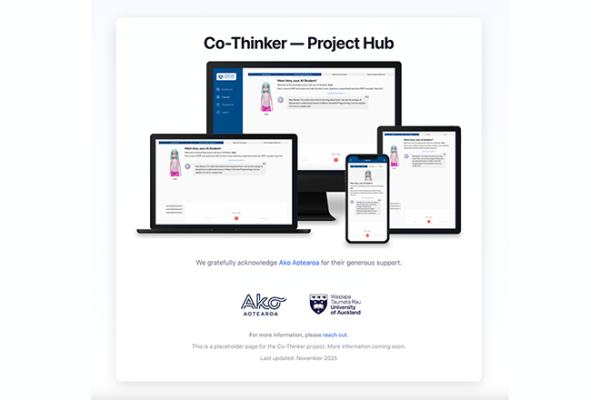
Matapaki Atamai Hangahanga | Promoting reflective and interactive learning with AI conversations – Team led by Dr Nasser Giacaman
 The Matapaki Atamai Hangahanga project, is creating a dedicated online hub to support educators and organisations exploring collaborative thinking tools and strategies. The landing page, will provide access to resources developed under the AARIA project, including guides, videos, and practical frameworks for fostering co-thinking in educational settings.
This dynamic platform will continue to grow, offering sector-wide support for innovation and collaboration in teaching and learning beyond 2025.
Visit the project page to find out more about this new knowledge base