Ako Aotearoa Sector Strategy Co-design

This report shares the Executive Summary of findings, feedback and recommendations from Ako Aotearoa’s strategic consultation with the sector.

The findings demonstrate that, for our tertiary sector to thrive AND deliver equitable outcomes for all learners across Aotearoa, sustained leadership, resourcing and advocacy are essential.

Four final recommendations around the following topics are included: 

  • Resourcing and policy 
  • Advocacy and sector voice 
  • Frameworks with flexibility 
  • Cultural commitments.  

The report also provides consolidated recommendations that will be of value to Tertiary Education Organisations.  

Download the report:

Background:

In 2025 Ako Aotearoa’s Board led a comprehensive sector consultation to inform its strategic plan.

Focusing on three key areas: Teaching Excellence, Collaboration, and Thought Leadership, the process involved kōrerorero sessions at regional forums, interviews with senior leaders, and a nationwide sector survey.

The summary synthesises common issues and themes identified by staff working at a range of roles and levels across the sector.

Our thanks goes to the 261 people who completed the survey, the 14 strategic leaders we interviewed, and more than 200 people involved in our regional forum kōrerorero sessions.

Report prepared for Ako Aotearoa by Dr Linda Keesing-Styles.


Posted in Strategic leadership and change | Comments Off on Ako Aotearoa Sector Strategy Co-design

Professional learning and development in Aotearoa New Zealand’s tertiary education sector

A strategic review by Ako Aotearoa

This report is the summary of the key findings of a review of PLD needs and provision across the New Zealand Tertiary sector.

TEOs are encouraged to consider its contents and recommendations.

Download the report:

Background:

Professional learning and development (PLD) is central to maintaining teaching excellence, equity of learner outcomes, and future readiness in the tertiary sector. 

In 2025, in response to the evolving needs of Aotearoa New Zealand’s tertiary sector, Ako Aotearoa commissioned a strategic review of professional learning and development (PLD) across the sector. The resulting report, developed through extensive consultation with over 40 tertiary education organisations (TEOs) – offers a timely and comprehensive overview of the most pressing PLD needs, barriers to participation, and future opportunities.

Report prepared for Ako Aotearoa by Dr Linda Keesing-Styles and Jane Terrell.


Posted in Professional learning | Comments Off on Professional learning and development in Aotearoa New Zealand’s tertiary education sector

Leading AI responsibly – A policy guide for education leaders

Practical steps for AI strategy, capability, and leadership in Aotearoa’s tertiary sector.

Is your organisation ready for AI?

AI isn’t just a classroom issue — it’s a strategic one. As tools like ChatGPT, CoPilot, and generative platforms become embedded in education, tertiary institutions must make thoughtful decisions about how they’re used. This section is designed for leaders, policy makers, and those shaping the future of learning at an institutional level.

From curiosity to strategy

Many educators are experimenting with AI — but without clear policies, confusion can grow. Staff and learners need guidance on what’s allowed, what’s supported, and what’s still being figured out. Good leadership doesn’t mean having all the answers — it means setting the direction, supporting professional learning, and modelling safe exploration.

Some key questions for leadership teams:

  • Do we have an AI use policy that’s known and usable?
  • Are our staff equipped to model ethical, inclusive AI use?
  • How will we evaluate new tools and manage risks?

Build for the future, not just the moment

Institutions that invest now in capability-building, infrastructure, and inclusive policy design will be best placed to lead in a changing environment. That means weaving AI into professional learning plans, ensuring access for all learners and staff, and listening to Māori and Pacific voices in the process.

Start with:

  • Drafting or revising AI policies with staff input
  • Including AI in digital literacy and capability frameworks
  • Developing AI champions or communities of practice

Why leaders need a clear AI strategy

AI is already reshaping education

From learner support to content creation, AI is affecting how teaching and learning happen. Leadership matters — not just to manage risk, but to shape direction.


Risks of inaction:

  • Unchecked AI use by staff and students
  • Inequities and bias built into tools
  • Staff fatigue and uncertainty
  • Reputational and compliance risks

Leadership responsibility:

  • Align use of AI with Te Tiriti o Waitangi, learner wellbeing, sector expectations (e.g. NZQA) and own TEO’s policies.
  • Ensure values and people—not just productivity—guide decisions
Reflective Prompt: “Whose voice, vision, or values are currently shaping our decisions about AI?”

From strategy to action – Core leadership domains

DomainLeadership Priorities
Vision & ValuesFrame AI use through cultural safety and Te Tiriti alignment
Capability & PLDFund and support AI fluency for all staff
Policy & GovernanceDevelop transparent policies on AI use, access, and assessment
Tools & IntegrationEvaluate platforms for ethics, accessibility, privacy
Maturity & MetricsUse frameworks to track institutional AI readiness


Helpful reference points:

  • TEQSA GenAI Toolkit
  • JISC AI Maturity Model
  • UNESCO’s ethical guidance
  • NZQA integrity guidelines

Emerging practice from Aotearoa + Australia

Examples of sector-aligned leadership:

  • TEQSA GenAI Toolkit: Governance templates and strategic questions
  • ACODE (2024): Productivity, PLD, and procurement strategies
  • University of Melbourne: Transparency in staff-student use

Research-led guidance:

  • Inquiry submissions (UoM)
  • Systematic reviews on GenAI in HE
  • Practice-informed white papers (e.g. Jisc, Liu et al.)

Collaborative action:

  • Co-create shared PTE sector frameworks
  • Develop living documents, not static rules

Resources to explore and use


This guide was part of a series, created in 2025 by Ako Aotearoa, designed to help educators explore AI in education — safely, ethically, and in ways that reflect our values in Aotearoa.

Each guide offers practical steps, real examples, and reflective tools to support your journey. Whether you’re just starting or deepening your practice, these resources are here to support your next steps — practically and purposefully.

Links were correct at the time of publish but will not be checked or updated in the future.

Posted in Artificial Intelligence (AI) and GenAI tools | Comments Off on Leading AI responsibly – A policy guide for education leaders

Ethics and AI — A starter guide for educators

Explore the ethical use of AI in ways that uphold cultural values, learner rights, and trust in education.

Using AI responsibly starts with the right questions

AI can be a powerful educational tool — but like any powerful tool, it comes with risks. Who owns the data we input? Can AI be biased? How do we ensure we’re protecting learners while still exploring what AI can offer? This page helps you navigate the ethical landscape of AI in education.

Why ethics matters in AI-enabled education

What do we mean by ethics?

Ethics is about what’s right, fair, and safe — especially when power, data, or decision-making is involved. In education, ethics shapes how we build trust and uphold the mana of learners.

Why it matters for AI

AI tools are trained on massive datasets, often without cultural context. They can:

  • Repeat or amplify harmful bias
  • Make decisions we don’t fully understand (“black box” models)
  • Store and process learner data outside Aotearoa

Our values give us a compass

Rather than assuming one shared set of values, start by asking:

“What values guide me, my teaching, and my organisation’s decisions about technology?”

Many TEOs in Aotearoa draw on kaupapa Māori principles and institutional frameworks. For example, Ako Aotearoa was guided by:

  • Whanaungatanga — Relationships and connectedness
  • Manaakitanga — Respect and care for others
  • Whakamanatanga — Uplifting the mana of learners
  • Māramatanga — Clarity and understanding
  • Pūmautanga — Integrity and excellence
Reflective Prompt: “Would I feel comfortable if this AI tool made a decision about me — or my learners — without context or consent?”

Common questions educators are asking

As AI enters classrooms and admin systems, educators across Aotearoa are asking:

  • Can I safely use AI with student data?
  • How do I explain AI limitations to learners?
  • What if an AI tool gives biased, offensive, or inaccurate output?

These concerns are real — and worth slowing down for. Critical oversight and clear boundaries matter.

Start with trust and transparency

Ethical AI use isn’t just about policies. It’s about relationships — with your learners, your organisation, and the wider community. Building trust means being open about what AI is, what it isn’t, and how it should be used.

Steps you can take now:

  • Avoid pasting private student data into public AI tools
  • Talk to your students about how AI works (and what it gets wrong)
  • Explore tools with better privacy settings or institutional controls

Educators have a powerful role to play in shaping a culture of ethical curiosity and critical engagement.

Key ethical principles for AI in education

PrincipleWhat it means in practice
TransparencyMake it clear when and how AI is used
FairnessDon’t let AI reinforce existing bias
AccountabilityEducators retain responsibility — not the algorithm
Data SovereigntyHonour where and how learner data is stored or used
AgencyLet learners choose how they interact with AI tools

These principles draw from both global frameworks (like UNESCO) and local guidance, including Te Mana Raraunga, NZQA, and kaupapa Māori values. They aim to balance safety, fairness, and autonomy — especially for Māori and Pacific learners.

Reflective prompt: Do these principles align with how we use AI in our organisation — or are there others we should name?

Aotearoa lens

In Aotearoa, ethical practice also means upholding Te Tiriti o Waitangi, supporting Māori data sovereignty, and ensuring learners — especially Māori and Pacific — have the right to understand, opt in, question, and critique.

Example:
If using Turnitin or Grammarly, clarify:

  • What’s uploaded?
  • Where is it stored?
  • Who sees it?

Common ethical dilemmas (Scenarios)

These scenarios are based on real questions and challenges raised by educators across Aotearoa. They’re not exhaustive — but they offer a starting point for reflection and kōrero.

You might ask: What other dilemmas are arising in your context — and how are you navigating them?
  1. Student uses ChatGPT to reword a paragraph. Is that support or plagiarism?
    Consider context, intent, and whether attribution was offered. Did they learn, or shortcut?
  2. AI tool generates quiz questions — but reinforces gender or cultural bias.
    Test outputs before use. Invite student critique as part of the task.
  3. An AI-powered app stores learner writing offshore.
    Check privacy settings. Can data be anonymised or processed locally?

To guide discussion, try asking:

  • Who benefits?
  • Who is left out?
  • What would a learner say?
Reflective Tool: Include a short ethics checklist or disclosure for each tool or task.

Resources to explore and use

Ethical Guidelines + Tools

Global + Local Frameworks


This guide was part of a series, created in 2025 by Ako Aotearoa, designed to help educators explore AI in education — safely, ethically, and in ways that reflect our values in Aotearoa.

Each guide offers practical steps, real examples, and reflective tools to support your journey. Whether you’re just starting or deepening your practice, these resources are here to support your next steps — practically and purposefully.

Links were correct at the time of publish but will not be checked or updated in the future.

Posted in Artificial Intelligence (AI) and GenAI tools | Comments Off on Ethics and AI — A starter guide for educators

AI, culture, and inclusion — A guide for educators

Supporting educators in using AI in ways that are culturally sustaining, inclusive, and grounded in Aotearoa values.

AI should reflect the people it serves

In Aotearoa, education must reflect and uphold the principles of Te Tiriti o Waitangi and the cultural identities of all learners. As AI tools become more common, we need to ensure they don’t just work — they work in the right way.

That means tools and teaching practices that value tikanga Māori, Pacific knowledge systems, and diverse learner voices.

Cultural safety in the age of AI

Many AI tools are built on global datasets — which can carry biases, gaps, or assumptions. If we use these tools without care, we risk reinforcing inequities. But when guided by kaupapa Māori and inclusive values, AI can be a powerful ally for revitalisation, reflection, and relational learning.

Educators are already exploring how AI can:

  • Support language revitalisation in Te Reo Māori and Pacific languages
  • Encourage talanoa and wānanga-based inquiry using AI-generated prompts
  • Embed cultural values into classroom AI activities

It’s not just about what AI can do — it’s about how and why we use it in ways that honour our commitments to mana ōrite, kaitiakitanga, and ako.

Tools are not neutral — but they can be taught to care

Start by asking:

  • Does this tool reflect my learners’ worlds?
  • How do I involve whānau or community in conversations about AI?
  • What tikanga or protocols should guide this use?

AI doesn’t need to erase culture — it can uplift it, when used with intention.

Why cultural grounding matters in AI

Te Tiriti o Waitangi and AI

Te Tiriti shapes our responsibilities in education — to uphold Māori rights, value Māori knowledge, and ensure equitable outcomes. AI, like any educational tool, must be used in ways that align with these obligations.

Risks Without Cultural Grounding

  • Māori and Pacific perspectives may be absent or misrepresented in AI outputs
  • AI tools are often trained on biased, non-local data
  • Cultural identity, language, and nuance can be flattened or erased

A Call to Educators

Embedding AI in culturally sustaining ways is not just about tools — it’s about relationships, representation, and responsibility.

Key Principle: AI use in Aotearoa should never undermine mana. It should lift it.

Principles for culturally inclusive AI use

Drawn from research and kōrero with Māori and Pacific leaders, here are five guiding principles:

PrincipleWhat it means in practice
WhanaungatangaBuild relationships before deploying new tools
WhakamanatangaAI should affirm identity, not erase it
ManaakitangaEnsure care in how AI treats language, story, and voice
MāramatangaCritically examine AI origins, outputs, and biases
RangatiratangaLearners should have agency in how and when AI is used
Reflective Prompt: “How might your learners see themselves — or not — in the outputs of the AI tools you use?”

Practical moves you can make

What you can do — Even as a non-expert

  • Check for cultural content: Ask AI tools about Aotearoa histories, tikanga, or te reo and evaluate critically.
  • Use AI with learners as a starting point — not an authority.
  • Let learners critique AI outputs for cultural accuracy.
  • Create prompts that explicitly invite te ao Māori or Pacific perspectives.
  • Scaffold responsible use: AI is a tool, not a truth machine.
Example Prompt: “Write a short mihi for the opening of a workshop. Use inclusive, respectful language — and explain what each part means.”

Example Task:

Ask learners to compare a mainstream AI-generated definition of ‘whanaungatanga’ with lived definitions gathered from their whānau or community.

Educator Tip: You don’t need to be an expert in AI or culture — just be open, guided, and prepared to learn alongside your learners.

Resources to explore and use

Note: While some resources or tools in this section may evolve rapidly, the frameworks and guidance remain useful for supporting critical discussion and values-based decision-making.

Useful Reading


This guide was part of a series, created in 2025 by Ako Aotearoa, designed to help educators explore AI in education — safely, ethically, and in ways that reflect our values in Aotearoa.

Each guide offers practical steps, real examples, and reflective tools to support your journey. Whether you’re just starting or deepening your practice, these resources are here to support your next steps — practically and purposefully.

Links were correct at the time of publish but will not be checked or updated in the future.

Posted in Artificial Intelligence (AI) and GenAI tools | Comments Off on AI, culture, and inclusion — A guide for educators

AI, assessment, and academic integrity

Rethinking assessment for future-ready learning — with a focus on fairness, process, and reflective practice.

Why AI disrupts traditional assessment

The shift is here

As AI tools become more common, educators are asking a big question: how do we keep assessments fair and meaningful?

AI can generate essays, summaries, reports, and even creative outputs in seconds. This challenges assessments that rely heavily on traditional formats like essays — especially those that assess skills AI can now simulate, such as summarising, synthesising, or critiquing ideas.

This doesn’t mean we should panic — but it does mean we need to rethink what assessment looks like in an AI-enabled world.

Risks to integrity

  • Ghostwriting via AI tools
  • Over-reliance on generic outputs
  • Misrepresentation of learner ability

Opportunity for innovation

Rather than banning AI, we can reimagine assessment to focus on what AI can’t easily replicate — critical thinking in context, lived experience, cultural reasoning, and human judgement. For example, we can design assessment to:

  • Focus on process, not just product
  • Reward reflection, originality, and context
  • Integrate AI as a scaffold, not a shortcut
Scenario: A learner uses ChatGPT to draft an initial answer. They then reflect on its limitations, rewrite the response using their own experiences or local context, and submit both versions with a short commentary on what changed and why.

Can AI be used without undermining assessment?

AI can challenge traditional assessments — but it also opens doors for more authentic, learner-centred evaluation. When used well, AI might help scaffold learning, personalise support, or act as a ‘thinking partner’ — without replacing the learner’s voice.

Key questions to consider:

  • What are you really assessing — the product, or the process?
  • Can learners use AI transparently and still demonstrate original thinking?
  • How might oral, project-based, or in-person assessments offer more reliable indicators of learning?

Educators across Aotearoa are already experimenting with ways to reframe assessment tasks — from reflective commentaries on AI use, to collaborative projects where process matters as much as product.

Practical steps to support integrity

You don’t need to redesign everything overnight. Start by:

  • Talking openly with learners about appropriate AI use
  • Including AI-related conditions in assessment briefs
  • Trialling one redesigned task where AI use is expected, not hidden

These shifts help learners develop ethical judgement and digital responsibility — crucial skills for future workplaces.

Strategies for authentic assessment

Design for process

Traditional TaskAI-Resilient Alternative
Write a statementDraft a short statement, then use AI to refine it and reflect on improvements made
Write a reportSubmit AI draft + annotated revision steps
Define 5 termsExplain terms using own workplace experience
Answer a case studyRespond orally or via live discussion

Want a way to map these strategies across different levels of AI use?

Leon Furze’s AI Assessment Scale offers a helpful continuum — from no AI to full AI integration. It’s already being used by tertiary institutions in Aotearoa to guide both educators and students in transparent, tiered practice.

Add reflective layers

Could learners use AI to enhance their own writing — then explain what changed, why, and how they judged its quality?

Ask students to explain:

  • What did AI help with?
  • What did you change, and why?
  • How do you know the output was trustworthy?

Use oral or live elements

  • Short verbal presentations
  • 1:1 discussion of written work
  • Peer review with guided AI critique prompts

These strategies can be scaled. Use 1–2 reflection prompts, quick voice notes, or peer discussion to surface thinking without adding hours of marking. Tools like professional conversations or class conversations can support this.

Upholding integrity with transparency

Talk about it early

  • Clarify what kinds of AI use are allowed
  • Co-create class norms or contracts
  • Emphasise learning, not surveillance

Use integrity declarations

Example: “I confirm that I used AI to generate a draft only, and have revised it significantly. I take responsibility for the final version.”

Avoid over-reliance on detection

AI detection tools are inconsistent. They often:

  • Mislabel non-native writing
  • Fail to detect paraphrased content
  • Penalise creativity

Instead:

Build assessments that invite authentic, situated responses — harder to fake, easier to trust.

Resources to explore and use

Templates + Tools

Readings + Frameworks

Case examples

Want to go deeper?


This guide was part of a series, created in 2025 by Ako Aotearoa, designed to help educators explore AI in education — safely, ethically, and in ways that reflect our values in Aotearoa.

Each guide offers practical steps, real examples, and reflective tools to support your journey. Whether you’re just starting or deepening your practice, these resources are here to support your next steps — practically and purposefully.

Links were correct at the time of publish but will not be checked or updated in the future.

Posted in Artificial Intelligence (AI) and GenAI tools | Comments Off on AI, assessment, and academic integrity

Positive uses of AI in learning and teaching

Explore practical ways to use AI to boost creativity, save time, and increase access—especially for learners who face barriers.

AI isn’t here to replace you — it’s here to support you

When used well, AI can free up your time, spark creativity, and personalise learning in ways that weren’t possible before. Whether it’s generating ideas, simplifying admin, or helping learners revise more effectively, AI is already enhancing teaching across the sector — without taking away what makes teaching human.

Where educators are already seeing value

Many educators in Aotearoa are starting small — and seeing big benefits. Some use ChatGPT to help draft feedback or quiz questions. Others get learners to test AI explanations and improve them. There are even AI tools that turn lesson plans into interactive materials.

Educator Insight:
 “I used ChatGPT to reword assessment instructions into simpler language
for my ESOL learners. They immediately looked less anxious.”

It’s about experimenting, not perfecting

You don’t need to overhaul your teaching. Try AI as a co-pilot — not the driver. Think of it as a brainstorming partner, a research assistant, or a second pair of eyes. Encourage learners to do the same, and model safe, critical use in the classroom.

Start by asking:

  • Could this task be easier with AI?
  • Could AI help my learners engage more deeply?
  • How do I want to model responsible use?

You don’t have to go all in. Try one thing at a time. Small, curious steps lead to real transformation.

Start Small — Where AI Can Add Value

Planning: Generate quiz questions, brainstorm session outlines
Admin:Draft feedback, condense learning outcomes
Content:Rephrase complex ideas, simplify texts, visualise processes

Key uses you might explore:

  • Brainstorming teaching activities or examples
  • Generating multiple-choice questions or revision prompts
  • Using AI as a digital assistant for basic admin
  • Helping students summarise or paraphrase content

Start in low-risk areas where mistakes don’t carry big consequences.

AI-Enhanced teaching ideas

Try these in class:

Teaching ActivityAI Use Example
Brainstorming“List 10 ideas for engaging learners in a budgeting topic”
Summarising“Summarise this 2-page article in 5 bullet points”
Rewriting“Make this feedback sound more encouraging”
Compare + Critique“Give me two versions of an introduction to critique”
Vocabulary Builder“What are simpler synonyms for these words?”
Visual LearningUse DALL·E to visualise abstract concepts

Prompt Ideas:

  • “Simplify this explanation of osmosis for a Level 3 learner.”
  • “Turn these bullet points into a short paragraph about safe lifting.”
  • “Give me five reflection questions about teamwork for hospitality students.”

Student-Facing Use — With Integrity

Scaffold Their Use

  • Make AI use visible, not secret
  • Ask students to highlight or annotate what AI helped them with
  • Use prompts that require editing, reflecting, or comparing
Educator Tip: Let students compare their writing with AI-generated versions. Ask: “What’s missing?” or “What would you change?”

Suggested Learner Prompts:

  • “Ask ChatGPT to create a sample response — now rewrite it using your own words.”
  • “Use AI to summarise this article, then compare it with your version.”

Design Tasks with Voice and Value

Instead of…Try…
Standard essayAI-generated draft + student critique/reflection
Reading summaryCompare your summary with an AI one
Memorise and repeat definitionsExplain the concept in your own context or industry
Focus on tasks that blend AI use with personalisation, reasoning, or reflection.

Resources to explore and use

Note: While some resources or tools in this section may evolve rapidly, the frameworks and guidance remain useful for supporting critical discussion and values-based decision-making.

Quick-Start Tools

Useful Reading

Videos + Walkthroughs

Want to go deeper?

AI for Learning Designers – ASCILITE Resource 

Jisc – AI Maturity Toolkit for Tertiary Education

OpenAI Educator FAQ


This guide was part of a series, created in 2025 by Ako Aotearoa, designed to help educators explore AI in education — safely, ethically, and in ways that reflect our values in Aotearoa.

Each guide offers practical steps, real examples, and reflective tools to support your journey. Whether you’re just starting or deepening your practice, these resources are here to support your next steps — practically and purposefully.

Links were correct at the time of publish but will not be checked or updated in the future.

Posted in Artificial Intelligence (AI) and GenAI tools | Comments Off on Positive uses of AI in learning and teaching

Getting started with AI

Start your journey with confidence, clarity, and care.

Understand what AI is, how it’s changing education, and how you can engage with it safely and purposefully in Aotearoa New Zealand.

Curious about AI? Start here.

Artificial Intelligence (AI) might sound technical or intimidating, but it’s already part of everyday life — and increasingly, our classrooms. Whether you’re teaching foundation learners or planning your first experiment with ChatGPT, this page will help you take your first confident steps. You don’t need to be an expert — just open to exploring.

What is AI and why it matters in education

What is GenAI

Artificial Intelligence (AI) refers to technologies that perform tasks normally requiring human intelligence — such as recognising patterns, making predictions, or generating content.

Generative AI (GenAI) refers to tools that can create new content — text, images, video, or sound — based on prompts you give them. Think of ChatGPT, Bing Chat, or Grammarly: they can summarise text, generate ideas, or even offer writing support. But they also raise big questions about how we teach, assess, and guide our learners.

As these tools evolve, they offer real potential to personalise learning, reduce workload, and support engagement. But like any tool, they work best when we use them critically and responsibly.

Why it matters for educators

AI is already reshaping how learners interact with knowledge, feedback, and creativity. Used thoughtfully, AI can:

  • Reduce admin load
  • Help brainstorm content or activities
  • Scaffold learner understanding

But it also raises important questions about academic integrity, equity, and digital readiness.

Common AI Tools

ToolWhat it does
ChatGPTGenerates text responses from prompts
GrammarlyAssists with writing and tone
DALL·ECreates images based on text prompts

Small steps, big impact

Try starting with one small activity. Ask ChatGPT to summarise a tricky article. Use it to brainstorm lesson plan ideas. Reflect on how your learners could use it safely and creatively. Each step builds your understanding — and your confidence.

Understand what AI is, how it’s changing education, and how you can engage with it safely and purposefully in Aotearoa New Zealand.

Example “I asked ChatGPT to turn my lesson plan bullet points into a first draft — it saved me 30 minutes and gave me a new idea for an activity.” — Foundation Tutor, NZ

Understanding AI Literacy vs Digital Literacy

What’s the difference?

Digital literacy is about using technology confidently. AI literacy takes this further — it’s about knowing how to question AI outputs, understand their limitations, and refine what you’re given.  AI literacy means asking, “Where did this information come from?” or “Is this response appropriate for my learners?”

It’s less about technical skill and more about developing the curiosity, critical thinking, and confidence to engage thoughtfully.

Digital Literacy = Knowing how to use digital tools safely and effectively

AI Literacy = Understanding how AI works, what it can/can’t do, and how to use it critically

AspectDigital LiteracyAI Literacy
SkillsEmail, file sharing, LMSPrompting, evaluating AI outputs
MindsetSafe, competent userCritical, curious thinker
RisksPhishing, privacyBias, hallucination, misuse

Why it matters

AI literacy empowers educators to:

  • Question AI outputs
  • Understand where data comes from
  • Help learners engage responsibly
Reflective Prompt: “What AI skills do your learners need to navigate the future — and how can you model them?”

Two key frameworks to support your practice

These frameworks offer practical steps to support your development as an educator working with AI. They don’t require technical expertise — just a willingness to explore, reflect, and experiment safely.

1. SAIL Framework (Scaffolded AI Literacy)

(Adapted from MacCallum et al. — see link below)

This framework is intended to support equitable, accessible, and effective education in the age of AI.

It introduces AI concepts and skills in 6 categories, across four levels of capability: 

  1. Know and understand AI
  2. Use and apply AI
  3. Evaluate and create AI
  4. Beyond AI literacy
Scenario: You’ve seen students using ChatGPT, but you’re unsure how to respond. Using the SAIL framework, you begin by seeking to understand how generative AI works. Then you assess whether it supports or challenges your current tasks. Next, you trial a small integration — like drafting quiz questions — and later, share what worked (or didn’t) with your team.

2. CRAFT Framework (Culture, Rules, Access, Familiarity, Trust)

(Originally developed by Danny Liu and colleagues — see link below)

ElementWhat to consider
CultureDoes this align with your classroom or learner values?
RulesWhat are your organisation’s expectations?
AccessDo all learners have fair access to AI tools?
FamiliarityHow confident are you with the tool?
TrustCan you explain why the AI is being used?
Scenario: You’re teaching a Level 4 writing class. Instead of banning ChatGPT, you ask learners to use it to generate ideas, then edit and reflect on what they keep or change. You discuss why that matters for their industry or particular context.

Resources to explore and use

Note: While some resources or tools in this section may evolve rapidly, the frameworks and guidance remain useful for supporting critical discussion and values-based decision-making.

Glossary of AI terms

See a glossary of common AI terms on Digital.govt.nz website

Beginner-Friendly Videos

Aotearoa-Based Literacy Frameworks

Tools to Try

Cyber Safety & Responsible Use

Want to go deeper?


This guide was part of a series, created in 2025 by Ako Aotearoa, designed to help educators explore AI in education — safely, ethically, and in ways that reflect our values in Aotearoa.

Each guide offers practical steps, real examples, and reflective tools to support your journey. Whether you’re just starting or deepening your practice, these resources are here to support your next steps — practically and purposefully.

Links were correct at the time of publish but will not be checked or updated in the future.

Posted in Artificial Intelligence (AI) and GenAI tools | Comments Off on Getting started with AI

Building digital literacy

Research and resources to support digital literacy in the tertiary sector

Digital skills are now considered essential to fully participate in modern society.

We live in a rapidly changing world where technology shapes how we work, communicate, shop, learn, and connect with each other. For both educators and learners, digital literacy is no longer optional — it is foundational to participation, wellbeing, and success in education and beyond.

This page curates research, tools, and free professional development resources to support digital capability across Aotearoa’s tertiary education sector — including PTEs, ITPs, universities, and foundation learning contexts.

What is Digital Literacy?

Digital literacy is the ability to find, evaluate, create and communicate information using digital media and technology platforms.

This includes:

  • Hardware or device skills – e.g. using computers, smartphones, ATMs or ticketing machines.
  • Software skills – e.g. navigating operating systems, apps, websites, search engines, and social media.
  • Language and symbol fluency – understanding the meanings of digital terms, tech vocab, emojis, and memes across various digital environments.

In the 2023 PIAAC Survey of Adult Skills (New Zealand), 29% of adults scored at or below Level 1 in adaptive problem-solving skills — a category that includes essential digital capabilities. This suggests nearly one-third of adults in Aotearoa may face challenges using digital tools to navigate daily life and learning.

Supporting learners’ digital literacy is key to fostering digital inclusion and equity, as well as building critical and creative thinking skills for a digital future.

Explore Resources and Pathways

The Digital Literacy Educator Pathway (Pathways Awarua)

A free, self-directed online course for educators to grow their digital capability and support learners in developing theirs.

The Digital Literacy Educator Pathway currently features four collections:

  • Collection 1 looks at what digital literacy is, presents a range of digital literacy frameworks, and explores the interplay of digital literacy and remixing.
  • Collection 2 has a wealth of resources, strategies, icebreakers, and activities for teaching digital literacy.
  • Collection 3 helps you familiarise yourself with 250 specialised words for digital literacy.
  • Collection 4 is about cyber security and covers key areas to help educators securely navigate the digital world.

Visit Pathways Awarua to start the Educator Pathway

Free Online Course – Digital Skills Level 1 (Digital Passport)

This free course introduces the basics of computers and using the internet. You’ll learn about how to stay safe online, social media platforms, image and video editing tools, virtual reality and more. 

Visit the Digital Passport website

Resources for Tertiary Educators

How to find, evaluate, use and create digital content

Information about using digital media on the National Library of New Zealand website. | Read more on the National Library website

Digital Skills Framework (2023)

A discussion paper scoping current digital skills development in Aotearoa, with international insights. | Read the framework

ePosts (2017)

A practical guide for tertiary educators new to online learning, covering methodologies, pedagogy and tools. This guide is free to download and adapt to your needs. | Read the ePosts resource

Art at Risk copyright, fair dealing and art in a digital age – Teacher’s Resource (2011)

Art at risk provides a set of research resources and practical information for teachers working with digital images. | Read the Art at Risk reports

Digital Inclusion, Equity, and Accessibility

Creating inclusive and accessible digital experiences is critical. Everyone — including disabled learners and users of assistive tech — should be able to access digital education and public services.

Key guidance:

NZ Government Web Accessibility Standards | Practical advice for anyone developing or delivering digital content. Visit the accessibility standards guide

Kōrero for Change | Webinar series by Access Matters Aotearoa highlighting digital equity and inclusive technology practices in education. Watch the webinar

Consider how your learning environment, platforms, or resources can better serve learners with diverse needs and strengths.

AI and Digital Literacy: Where They Intersect

While AI literacy and digital literacy are distinct, they are increasingly interconnected. Using AI tools requires digital access and confidence, while critically evaluating the information AI produces requires advanced digital and academic literacies.

Educators can help learners bridge this gap by embedding AI discussions into digital literacy learning, encouraging responsible use and ethical reflection.

Learn more on our Getting started with AI page


This was an Ako Aotearoa thinkpiece originally published in February 2025.
Links were correct at the time of publish but will not be updated again in the future.

Posted in Using technology in education | Leave a comment

Supporting neurodivergent learners in tertiary education

A call to action for educators and policymakers

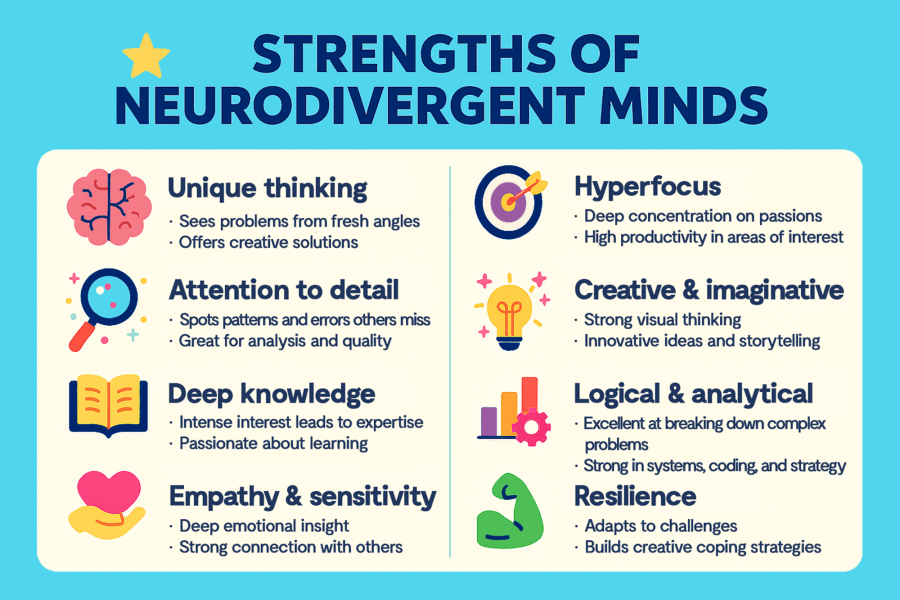
Supporting neurodivergent learners is a crucial aspect of creating an inclusive education system in Aotearoa New Zealand. Neurodivergent learners can possess distinct strengths, including critical and analytical thinking, adaptive problem-solving, creativity, ideation, and pattern identification; however, they may also encounter challenges during their learning journey.

Common types of neurodivergence include dyslexia, autism, ADHD, dyscalculia, dysgraphia, dyspraxia/DCD and Fetal Alcohol Spectrum Disorder (FASD). Studies suggest that approximately 15-20% of the population is neurodivergent; however, figures are believed to be much higher due to the number of undiagnosed people. The extent to which neurodivergence will impact individuals’ everyday lives and educational experiences can vary.

While significant strides have been made within the sector, including initiatives by Ako Aotearoa’s Manako Programme, there remains an ongoing need for educators and policymakers to collaborate in addressing the gaps and barriers faced by neurodivergent learners within the education system.

Supporting neurodivergent learners: Current practices

Tertiary institutions in Aotearoa New Zealand, including universities, polytechnics, wānanga, and private training establishments, are actively implementing a range of programmes and resources to support neurodivergent learners across the board. Institutions leading the way include:

  • The Tertiary Education Commission (TEC): provides resources and advice to tertiary education organisations on supporting neurodivergent learners and creating a more inclusive education system. One of the key resources TEC offers is its Disability Action Plans.
  • Open Polytechnic Kuratini Tuwhera: offers a Disability and Access Service, providing support to learners throughout their studies, tailored to their individual needs.
  • BCITO: The Building Abilities initiative aims to empower neurodivergent learners by giving them the tools to thrive in a construction career.

Systemic barriers to inclusion

Historically, research has been conducted without considering the lived experiences of neurodivergent researchers and participants. While the situation is evolving, the current national standards and frameworks were developed based on historical research and information available at the time, as well as insights from the medical profession.

It is crucial to recognise that not every neurodivergent person:

  • Knows that they are neurodivergent
  • Discloses that they are neurodivergent
  • Is OK with being neurodivergent
  • Has talked about being neurodivergent with their families
  • Is accepted for being neurodivergent

There is a lack of understanding about neurodivergence and inconsistent advice on how to support learners. Definitions may also lack clarity, and discrepancies may exist between international definitions. It can be an ambiguous space, which is why research, frameworks, and policies must include lived experiences.

Many neurodivergent people in tertiary education face a lack of recognition and support, with the recording of their needs often limited by system design, personal experience, and prevailing stigma.

Lack of recognition

Neurodivergent status is often recorded inaccurately – sometimes as a single tick box covering multiple conditions, or as a general disability category. Many neurodivergent individuals do not self-identify as disabled, so they may leave these fields blank.

Concerns about privacy, prior negative experiences, stigma, or distrust may also discourage disclosure. Studies in Aotearoa New Zealand have shown that students often feel invisible in tertiary institutions, with a limited understanding and lack of support from staff and systems.

Uneven support across the tertiary sector

Support services for neurodivergent students are not standardised across tertiary education organisations (TEOs). Each TEO has different processes, resources, and levels of funding, resulting in variable access and awareness of supports. This results in significant inequities in the student experience. While some benefit from pockets of good practice, others struggle to access meaningful help.

The education system requires standardisation to ensure effective and efficient productivity. There also needs to be a deeper understanding of the ways of thinking and being of both learners and educators, and seeking out ways to recognise and develop their potential. This involves reflecting on neurodivergence and offering flexibility, as well as alternative assessment methods.

Ongoing opportunities for growth

Current practices for supporting educators and neurodivergent learners exist, and significant progress has been made in this space. However, there are still gaps that need to be addressed, and the need for improvement remains ongoing.

Policymakers must:

  • Develop national neurodivergence inclusion standards
  • Fund research and innovation in inclusive education
  • Mandate institutional reporting on accessibility and outcomes

The educator’s role: From awareness to action

Professional development and implementation of practical, evidence-based strategies are essential for educators to support learners more effectively.

The importance of awareness training

To create inclusive environments, awareness training should be provided to all staff, not just those in specialist roles, because neurodivergent students may require support in any setting.

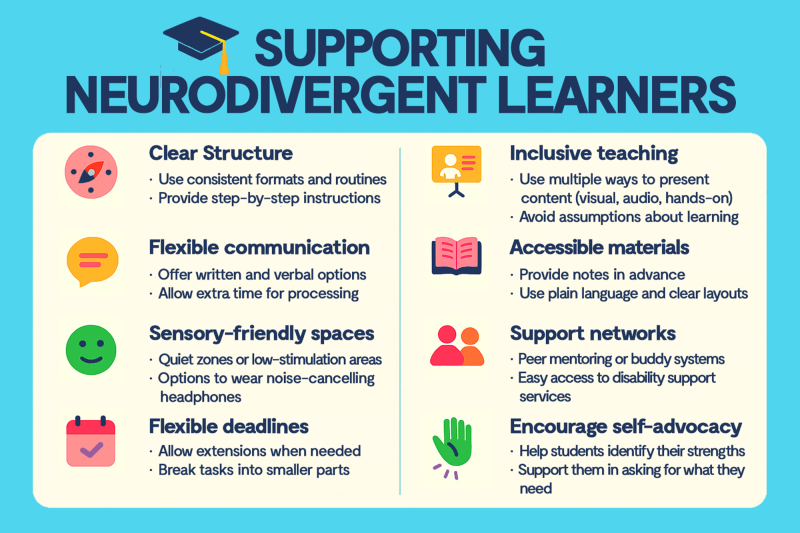
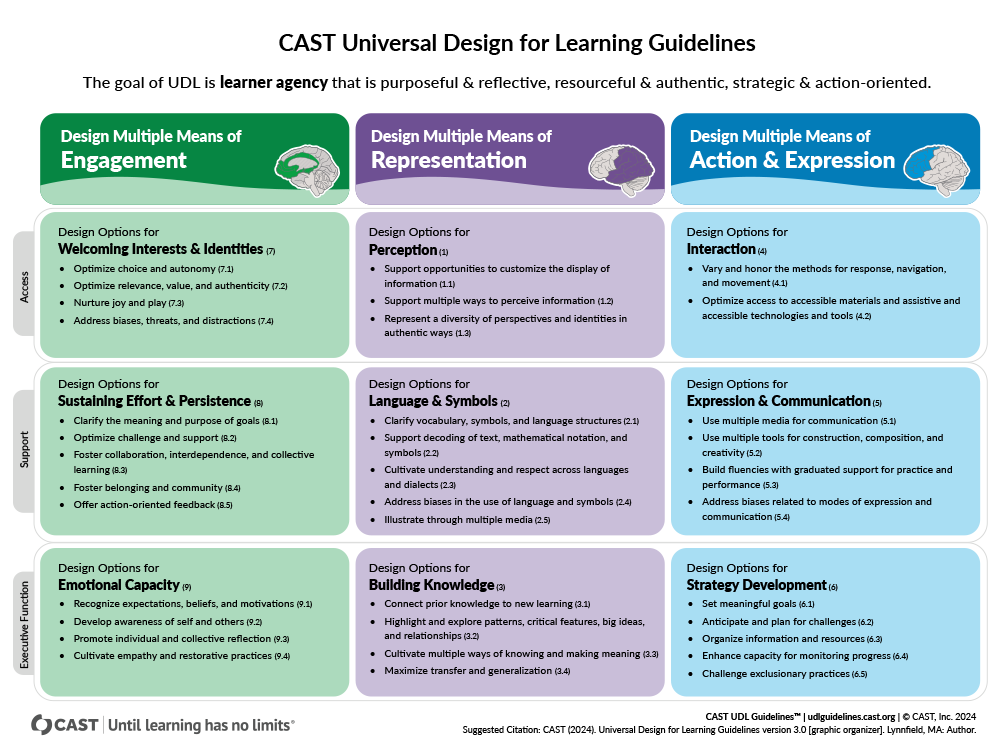
Incorporating Universal Design for Learning (UDL) principles ensures all learners are treated with respect and dignity, regardless of diagnostic label or disability status. Well-designed training also opens space for discussion, reduces stigma, and enhances staff comfort in directing students toward appropriate, evidence-based resources.

Building confidence and access to resources

Awareness training benefits both educators and students, increasing institutional confidence to respond supportively. Access to evidence-based resources, especially those developed in collaboration with or informed by lived experience, is key to ensuring responses are both practical and empathetic.

Educators do not need to have all the answers; knowing where to turn for guidance and having permission to discuss these topics can foster more welcoming educational communities.

Not everyone learns the same way or at the same time. Not everyone thinks the same way. That’s the joy of neurodiversity.

Reflect and revision

Reflecting on teaching practices is an effective way to look back and consider how situations were experienced, what went well, and what could have gone better. It can help neurodivergent people understand themselves better, allow them to be kinder to themselves, and support the development of effective strategies.

Educators can reflect on learners’ interactions within the classroom, in response to specific topics or activities, or during assessments. This kind of reflection allows the educator to identify any patterns, successes, or weaker areas which they can scaffold accordingly.

Co-design learning

Co-design is vitally important in engaging neurodivergent learners and offering educators and policymakers opportunities to work directly with those learners, hear their solutions, see how they work, and gain an insight into their ways of thinking and being.

Fostering learner agency

Learner agency is the art of purposefully navigating through your own learning journey.

For teachers and tertiary support staff, fostering learner agency might involve supporting learners to take greater control of their educational journey. To help them develop their own personal learning strategies that make their learning more enjoyable, engaging, and effective.

Developing agency within neurodivergent learners is essential in helping them to feel a sense of ownership over their learning.

Independence can be nurtured within neurodivergent learners by providing choice and flexibility in regards to their learning and can begin very simply with opportunities such as choosing between activities or the type of book they would like to read (Cook & Rao, 2018).

Agency can also be developed by encouraging learners to set their own goals and targets for learning, building insight into their own strengths and weaknesses, monitoring their own progress and effectively communicating with teachers or peers when they feel they need help (Hart & Brehm, 2013).

Recommendations for change in the tertiary education sector

In 2025 Ako Aotearoa submitted a briefing paper to the Minister of Education, highlighting the importance of supporting neurodivergent learners, a priority for the Manako programme and the Tertiary Education Commission. The recommendations included:

  • Expanding support services: Increase the availability of specialised support for neurodivergent learners.
  • Creating inclusive teaching practices: Train educators in inclusive teaching methods and raise awareness of neurodiversity-affirming approaches.
  • Implementing collaborative approaches: Foster collaboration between educators and learners and support the development of Communities of Practice and supportive learning environments.

Building a future of belonging

When neurodiverse learners feel a sense of belonging, they are more likely to actively participate and engage with their learning.

Embracing the value that neurodivergent learners and their perspectives bring to the tertiary education sector moves us closer to creating a system where all learners are welcome and empowered to succeed. To do so, we must acknowledge the areas where educators and policymakers fall short in their support of neurodivergent learners and take practical steps towards closing those gaps.


This was an Ako Aotearoa blog originally published in September 2025.
Links were correct at the time of publish but will not be updated again in the future.

Posted in Neurodiversity | Comments Off on Supporting neurodivergent learners in tertiary education

Assessment: Gateway to growth or barrier to success?

For many learners in Aotearoa, assessment isn’t just a measure of progress – it can be a source of confusion, stress, and disconnection. From school leavers adjusting to new university expectations, to vocational learners strong in practical skills but struggling with written tasks, to neurodivergent learners in environments that don’t suit the way they think, the challenges are real and widespread.

While in practice it can take many forms, the ultimate goal of assessment is to enhance learning outcomes by providing educators with insights into the effectiveness of their teaching and giving learners the support they need to grow and succeed.

Too often, assessment is treated as a final checkbox — a test, a grade, a tick at the end of learning. But in the spirit of ako, where teaching and learning are deeply relational and reciprocal, assessment should be a process that values and responds to the diverse strengths, learning styles and ways of knowing that learners bring.

In Aotearoa New Zealand, our learners reflect a rich mix of cultures, identities, neurodiversity, and learning journeys — from school leavers to second-chance learners, from vocational trainees to university students. So, we must ask: does assessment genuinely support all learners to thrive? Or are we still relying on one-size-fits-all approaches that no longer serve our collective aspirations for equity and excellence?

At the same time, rapid changes in technology — particularly the rise of generative AI — are forcing educators to rethink what they’re assessing, how they assess it, and what authenticity means in a digitally saturated world.

Assessment is far more than a procedural step – it’s a dynamic part of teaching and learning. To better understand its role and impact, we’ll explore the foundations of assessment, the different forms it takes, and the benefits it can offer when done well.

What are the benefits of assessment?

Assessment enables educators to gather information about learners and use it to evaluate their level of knowledge and understand what the learner needs to progress. Assessment is also beneficial for learners to understand what they have learned and how they can best progress. These are valuable insights for both educators and learners.

Assessment for educators:

  • Used to inform educators about a learner’s strengths and where they may need more support
  • Allows educators to reflect on what’s working and what’s not and to adapt their teaching methods to support all learners on their educational journeys
  • Encourages educators to be present and hands-on during a learning experience
  • Helps educators to demonstrate that learning outcomes are being met

Assessment for learners:

  • Helps learners understand what they have learned and see where there may be gaps in their learning
  • Encourages learners to develop their own learning processes that work for them
  • Provides learners with the information and guidance they need to be able to plan and manage the next steps in their learning journey
  • Offers clarity on what needs to be done to progress in their learning and achieve goals
  • Breaks down educational material into digestible chunks

What are the different types of assessment?

There is no single model for assessment. Recognising that all learners are unique in how they process and apply what they learn enables educators to tailor their approach to create meaningful outcomes. There are generally three primary purposes of assessment:

Assessment for Learning is used to guide educators in selecting the most effective teaching methods for learners.

Assessment of Learning is a way for educators to determine whether and to what extent the learning outcomes have been achieved.

Assessment as Learning involves students in the learning process by teaching them how to think critically, solve problems and set achievable goals for themselves to measure their progress.

These reasons for assessment all play a critical role in the teaching and learning process and can take on very different forms depending on the learning environment:

  • A university lecturer writing an exam for a student and grading them
  • A work-based assessor signing off on an apprentice’s work
  • A student taking part in a face-to-face assessment with their teacher
  • An online assessment that a student takes under time pressure
  • A classroom-based assessment where learners are assessed in groups
  • A workplace assessment where an employee is tested on site

What are the challenges of assessment?

When educators don’t equip learners with the tools to succeed in assessment early on, learners can struggle as they make their way through different life stages and learning environments.

Emerging technologies like AI are also disrupting traditional models of assessment. Learners and educators alike are grappling with unclear boundaries around what’s acceptable, raising new questions about academic integrity, fairness, and digital literacy.


Case Study 1: Developing independent learning Skills 

Student Profile:
Arihi, a first-year science student from Wellington, was known for being highly organised and academically strong in high school.

Challenge:
At university, Arihi found herself needing to make decisions about how to study, where to find information, and how to structure her time. Unlike school, there were no reminders, step-by-step guides, or check-ins — she was expected to manage all of that herself.

Impact:
Despite her motivation, Arihi quickly became overwhelmed and started falling behind. Without the familiar scaffolding of secondary school, she struggled to keep up with assessments and deadlines.

Insight:
Even high-achieving students can feel lost when they’re suddenly expected to learn independently. Without guidance, the transition to self-management and critical thinking can be jarring and stressful.


Case Study 2: Adapting to industry-specific expectations at a polytechnic

Student Profile:
Sione enrolled in a New Zealand Certificate in Construction at a regional Polytechnic, following a general education background at secondary school.

Challenge:
Sione was excited about moving into a practical learning environment. However, the classroom sessions had assessments that required detailed technical reports and drawings that used unfamiliar industry language. While his tutors were supportive, much of the content assumed prior exposure to the construction sector.

Impact:
Sione’s first assignments came back with poor marks and comments he didn’t fully understand. He found it hard to interpret the feedback and felt embarrassed asking questions — especially when others in his class already had work experience in the industry.

Insight:
In applied learning environments like ITPs, assessment can assume a level of prior industry familiarity that not all learners have. For students coming straight from school, targeted scaffolding and clear explanations of industry norms can make a significant difference in confidence and achievement.


Case Study 3: Navigating the uncertainty around AI Tools

Student Profile:
Mele is a first-year commerce student who transitioned directly from secondary school, where she excelled in digital technologies and used AI tools like ChatGPT to brainstorm and improve her writing.

Challenge:
In her first university assignment, Mele used an AI tool to help her generate an outline and check her grammar — similar to what she had done in school. However, when she submitted her work, she was pulled up for possible academic misconduct. There had been no clear discussion in her course about what kind of AI use was acceptable, and she didn’t realise her approach might be considered inappropriate.

Impact:
The experience left Mele confused and anxious. She felt she was being punished for using a tool she had been encouraged to engage with in school. She became hesitant to ask for help or experiment with her writing again, fearing she would get it wrong.

Insight:
As AI becomes a part of everyday learning, students entering tertiary education are often unclear about how — or if — they’re allowed to use it. Without consistent guidance or discussion about what constitutes ethical use, learners can easily find themselves in grey areas that carry high stakes. Clear communication and supportive policies are essential as educators and students adapt to this new landscape together.


Case Study 4: Balancing assessment with real-world work pressures

Student Profile:
Hemi is completing a Level 4 Certificate in Electrical Engineering through a work-based learning programme, splitting time between classroom modules and hands-on work with an employer.

Challenge:
While Hemi thrived in practical tasks on the job, he struggled with completing written reflections and theory-based assessments required by the training provider. The assessment expectations — especially around academic writing and referencing — felt disconnected from his day-to-day work and were never something he had been taught how to do.

Impact:
Hemi often left assessments to the last minute, unsure of what was expected and worried about doing it wrong. His employer valued his practical skills, but he began to feel that the paperwork side of the qualification might trip him up.

Insight:
Learners in work-based settings often excel in hands-on environments but can feel alienated by formal academic assessment requirements. Without targeted support to build confidence and skills in areas like reflective writing, these learners risk disengagement — not because they lack ability, but because the assessment style feels irrelevant to their reality.

Enhancing teaching and learning outcomes

These case studies remind us that assessment is not just about measuring learning – it’s about shaping it. For many learners, assessment can either be a gateway to confidence and growth or a barrier to participation and success.

To be truly effective, assessment must move beyond a one-size-fits-all approach. It must be relational, responsive, and rooted in the principles of ako – recognising the strengths, identities, and aspirations each learner brings.

As we face new challenges – from the transition into independent learning to navigating the impacts of AI – our approach to assessment must evolve accordingly. Only then can it serve its true purpose: supporting every learner to thrive, and every educator to teach in ways that matter.

Additional resources:

NZQA: Assessment resources and guidelines

TLRI: Developing assessment policy: A guide for tertiary institutions

The University of Auckland: Rethinking Assessment


This was an Ako Aotearoa blog originally published in August 2025.
Links were correct at the time of publish but will not be updated again in the future.
Posted in Assessment | Comments Off on Assessment: Gateway to growth or barrier to success?

Innovative approaches to support Pacific learners in tertiary education

“Pacific are a potential to be realised. Not a problem to be solved.” Winona Ngaro-Malifa

Pacific learners enter tertiary education grounded in rich cultural values, communal intelligence, and intergenerational resilience. Their journeys, however, often unfold in systems that do not yet reflect the depth of their knowledge, ways of learning, and community expectations. Our challenge is not to “lift” Pacific learners into success, but to create educational spaces that recognise and reflect the mana they already carry.

Tertiary education in Aotearoa New Zealand has made progress but continues to carry the imprint of systems not designed with Pacific peoples in mind. By reorienting our thinking from fixing to honouring, from gaps to gifts, and from marginalisation to inclusion, we can create a future where Pacific learners thrive.

While there is no one solution, a significant amount of work has been done within the sector to equip educators with the tools they need to support Pacific on their journey of lifelong learning.

Cultural knowledge as the solution

Multilingualism, family collectivism, spirituality, oral traditions, creativity, adaptability, and leadership are all integral to what Pacific learners have to offer from a young age. They are not traits to be added into the education system — they are foundations on which new futures can be built.

The education system must recognise that Pacific learners do not lack potential—they encounter learning environments that often do not reflect their worldviews, learning rhythms, or relational priorities.

Whilst Pacific learner participation rates for the past 20 years have been at or above the total population average, particularly for older learners (25 years and above), completion rates for Pacific learners are consistently amongst the lowest. This misalignment calls not for fixing learners, but for rethinking the system.  

Studies reflect system faults

Often referred to as the ‘literacy and numeracy census of the world’, the Programme for the International Assessment of Adult Competencies (PIAAC) 2023 survey indicates that Pacific communities have been disproportionately affected by gaps in foundational literacy and numeracy skills.

These gaps are more prevalent among younger adults who have recently completed secondary education, as many enter the tertiary education sector without the necessary skills to thrive. In turn, this impacts earning capacity and contributes to broader socio-economic challenges. For a positive shift to occur, educators must adapt their approach to supporting Pacific learners by addressing these barriers, and tertiary institutions must embrace Pacific-led initiatives.

Solutions to improving Pacific learners’ success

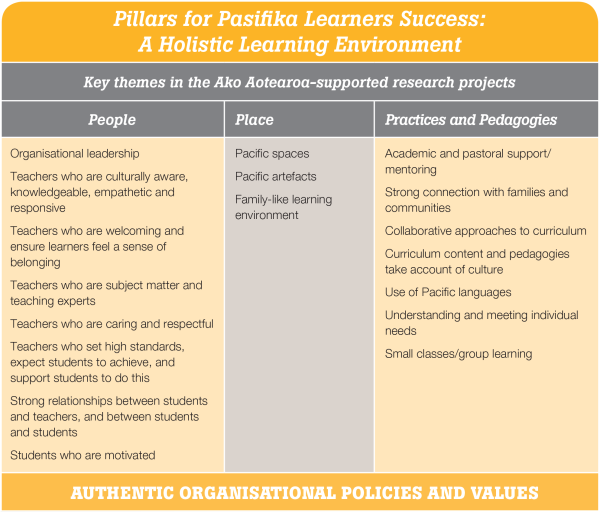
Like all learners, no one-size-fits-all learning approach will improve Pacific outcomes. People learn at different paces, using various styles, and there are multiple factors to consider when choosing the best way to meet a learner’s unique needs. Our research, supported by the sector, has found that combining a holistic approach and interwoven contributions made by people, place, practices and pedagogies is key to delivering successful outcomes for Pacific learners in tertiary education.

The most appropriate analogy for these learners and their families is a learning village, where teaching and support are communal, relationships are honoured, and belonging is foundational.

When we honour the vā—relational spaces between people, places, and knowledge—we create learning environments where Pacific learners thrive.

These contributions form three pillars, which educational organisations are encouraged to incorporate within their policies, values and specific targets for Pacific achievement: 

Image source: Synthesis Report | Success for Pacific in tertiary education: Highlights from Ako Aotearoa-supported research

To encourage institutional and sectoral improvements, Ako Aotearoa co-funded a research project that explored the preferred learning styles of Pacific learners and the key attributes of phenomenal educators who successfully support their achievement. Undertaken by Dr Cherie Chu-Fuluifaga and Janice Ikiua-Pasi, the project resulted in the development of The Kato Toolkit – a culturally grounded framework that encompasses 10 habits for educators key to Pacific learner success.

Each habit is a reflection of Pacific wisdom in action. It is not a checklist; it is a woven kete of Pacific ancestral insight and pedagogical wisdom. These 10 habits emerged from the lived realities and reflective practices of educators who truly see Pacific learners:

  • Habit 1 | Fenua: Ground yourself in a pedagogy of reflection
  • Habit 2 | Moana: Know your Pacific learner and context
  • Habit 3 | Vaka: Educate with phenomenal Pacific-centric methods
  • Habit 4 | Le Teu le Va: Building teaching and learning relationships with Pacific learners
  • Habit 5 | Ola: Develop phenomenal practices
  • Habit 6 | Teatea: Instil motivation & good work habits
  • Habit 7 | Aupuru: Embrace creativity & enthusiasm
  • Habit 8 | Putuputu: Create a Pacific learning community
  • Habit 9 | Arofa: Enable mentoring to be a natural part of your teaching and manage the ‘wobbles’ that arise
  • Habit 10 | Tiama: Deconstruct and emancipate your learners’ experiences

The Action Plan for Pacific Education

Real change happens within communities but can only be achieved with government backing. The Ministry of Education (MoE) has outlined its commitment to improving Pacific learner outcomes in the latest Action Plan for Pacific Education (2023).

The Action Plan identifies 5 key shifts and a set of actions that are needed to achieve this vision:

  1. Work reciprocally with diverse Pacific communities to respond to unmet needs, including growing and supporting Pacific bilingual and immersion education pathways.
  2. Confront systemic racism and discrimination in education.
  3. Enable every teacher, leader and educational professional to take coordinated action to become culturally competent with diverse Pacific learners.
  4. Partner with families to design education opportunities together with teachers, leaders and educational professionals so aspirations for learning and employment can be met.
  5. Grow, retain and value highly competent teachers, leaders and educational professionals with diverse Pacific whakapapa.

The government has yet to release its 2023 refreshed Action Plan progress report. Ako Aotearoa and the broader tertiary education sector look forward to reviewing its findings.

A specifically Pacific approach to education

Lived experience, combined with in-depth research, highlights the diversity within the Pacific learner community and the multiplicity of the programmes and educational organisations they are involved in. Tertiary education institutions can offer solutions by adopting a holistic approach to education that is culturally inclusive and specifically Pacific.

Our research emphasises that incorporating Pacific values, culture, perspectives and experiences into educational practices and engaging with learners directly can be transformational for Pacific learners and their educators.

Let us move forward—not by asking Pacific learners to fit the system, but by transforming education to reflect the fullness of Pacific people. 


This was an Ako Aotearoa blog originally published in July 2025.
Links were correct at the time of publish but will not be updated again in the future.
Posted in Pacific learner success | Comments Off on Innovative approaches to support Pacific learners in tertiary education

Fostering learner agency

Effective approaches for literacy and numeracy education

With the rapidly changing global economic, technological and health environments, it is more important now than ever that adults are equipped with the tools they need to become lifelong learners. Whether they’re gaining an education, retraining for a new job or career, or getting up to date with online learning, strong literacy and numeracy skills are crucial.

Aotearoa New Zealand’s recent results from the Programme for the International Assessment of Adult Competencies (PIAAC) survey indicate an urgent need to address literacy and numeracy capabilities. So, how do we, as educators, support learners in managing change, overcoming challenges, and thriving in an educational environment? One of the most practical solutions is to help them understand and develop learner agency.

What is learner agency?

Learner agency is about encouraging learners to take control of their learning, have their voices heard, and manage their resistance to adversity along the way. Learners don’t learn by simply being told what to do; they learn by being shown how to learn and establishing their own processes. This ideology underpins the concept of learner agency and promotes an attitude toward education based on self-sufficiency.  

For learners to discover and exercise their agency, educators must recognise that not all learners are alike. The key to empowering learners to develop agency is to create educational environments that cater to everyone. In 2015, Aotearoa New Zealand signed up to the United Nations Sustainable Development Goals, which address global challenges, including education. Goal 4, in particular, is about providing inclusive and equitable quality education and promoting lifelong learning for all. 

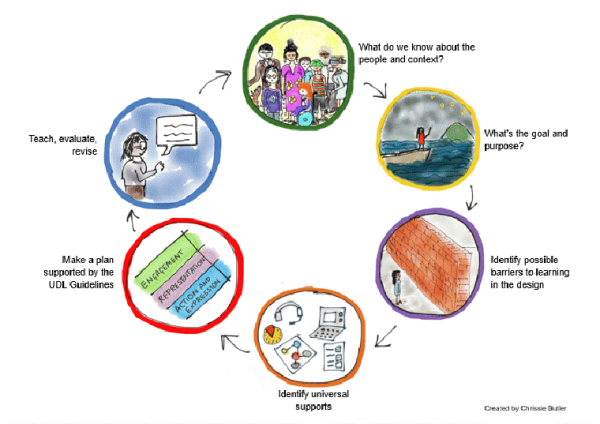
A common approach to achieving this goal is Universal Design for Learning (UDL) – a framework for educators to anticipate barriers to learning, address them head-on, and comprehensively cater to all learners.

Why is learner agency important for literacy and numeracy education?

Learner agency acknowledges literacy and numeracy’s essential and transformative role in lifelong learning. By integrating learner agency into literacy and numeracy education, we give learners the skills they need to participate fully in the knowledge-based economy while building resilience to social, economic, and technological changes.

Fostering learner agency in literacy could involve allowing learners to choose their own books based on their interests, while in numeracy, it could include asking them to apply problem-solving skills to real-life scenarios. When learners feel empowered through their agency, they develop a stronger sense of ownership, motivation, and engagement, which can only lead to positive educational outcomes.

Strategies educators can implement to develop learner agency

Now that we’ve introduced the idea of learner agency and its importance in literacy and numeracy education, let’s explore some practical ways educators can put this practice into action. 

Give learners control over their learning 

Educators can promote learner agency by encouraging learners to make decisions about the topics, content, activities, and learning schedule. When learners are still developing capability around this, educators can offer defined choices before allowing more creative freedom as the learner grows in confidence.  

Encourage learners to: 

  • Select their own projects
  • Choose who to work with and where
  • Negotiate the outcomes of various projects
  • Select what topics to work on over specific periods.

Helping learners find their voice 

Finding your ‘voice’ has been described as a growing confidence and courage to express a person’s own opinions, values, and beliefs.  

Environments that foster this process are those in which the learners are encouraged to share their ideas and have their ideas valued and used by the group. The ideas do not always have to be agreed upon, but they must be valued and taken seriously.  

Ways to do this include: 

  • Projects and activities that involve learners expressing and articulating their ideas
  • Brainstorms, persuasive paragraph writing and critical thinking exercises
  • Presentations, show-what-you-know sessions, information-finding and feedback activities. 

Emphasise the importance of trial and error 

Learners become more agentic as they reflect on their learning process and become aware of what works for them and what doesn’t.  

For example, they might begin to set their own goals about what they want to learn, engage in a series of activities to meet the goal, and then reflect on which activities they prefer and which were most effective.

As they reflect on what worked well, they can develop their unique approach. A good educator will encourage learners to reflect on their learning process and support the learners’ identification of their learning preferences.   

Ways to do this include: 

  • Ask learners to use two comprehension strategies (see below for details) and then evaluate the pros and cons
  • Provide time in class for learners to identify two learning techniques they like and share these with the class
  • Use various learning strategies, ask learners to rank each out of 5, and then share with the class. 

Support learners to come up with their own strategies 

Within the reflection process, learners will begin to develop a preference for their learning strategies.

For example, a learner might discover that the best way to learn is to draw a mind map of the information and read out the results. On the other hand, other learners may find that identifying the most important sentence in each paragraph and summarising it in their own words is more beneficial.

They will also develop a preference for various resources and become better at selecting effective ones. In time, they will develop expertise in finding resources for different learning objectives.

Teach learners how to:

  • Use different activities and strategies to learn by using them in class
  • Evaluate which activities and strategies are the most effective for them. 

Foster the development of a positive set of beliefs 

Learner agency grows as learners develop a positive set of beliefs about themselves. These are sometimes called ‘availing beliefs’ because they teach learners to adopt positive learning behaviours, even when they are struggling.  

Educators can foster these beliefs by reinforcing that learning is the result of effort, time, and good strategies, rather than ‘just being smart’. As the learner realises they can learn complicated things, their confidence grows, leading them to try to understand other hard material.  

For example: 

  • Ask learners to share something they know a lot about (typically their interests or hobbies, such as cars, music, sports, etc)
  • Ask them how they learned so much information about the topic
  • Identify that they can learn, and have learned, and that they can apply the same strategies they used to learn about their interests to other topics. 

Create supportive learning environments 

Society is constantly changing, which is why learner agency is such an essential skill for educators to teach. When learners have the correct tools and know-how to exercise their agency, they can succeed—not just in an educational environment but throughout their lives.  

Educators have the power to create an environment that shows learners they can make choices, have their voices heard, reflect on their learning, come up with strategies, and reinforce their own positive belief systems. By encouraging and developing learner agency through literacy and numeracy education, learners can participate in life-long learning and contribute to a more inclusive, productive society.   

At Ako Aotearoa, we are committed to advancing our work in language, literacy, numeracy, and cultural competency by providing professional development resources to the tertiary education workforce. By integrating research and experience with fresh thinking, we continue to collaborate with the sector to identify future needs and opportunities. Our work aims to establish parity of achievement for Māori and Pacific peoples, as well as for priority learners and those with additional needs. 

We would like to thank Dr Damon Whitten, Ako Aotearoa Adult Literacy and Numeracy (ALN) Effective Practice Model Project Lead, for his extensive contributions to the concepts covered in this article. Check out his Ako Talks video on supporting lifelong learning through learner agency in literacy and numeracy education and access his full report below.


This was an Ako Aotearoa blog originally published in May 2025.
Links were correct at the time of publish but will not be updated again in the future.

Posted in Language, Literacy and Numeracy (LLN) | Comments Off on Fostering learner agency

A comprehensive guide to Universal Design for Learning

It would be impossible to say that every person engages with and processes information in the exact same way in a learning environment. Each and every learner is unique and so are their learning preferences. So, how do we ensure that we create inclusive, flexible learning environments where people of all abilities can thrive? That’s where Universal Design for Learning (UDL) comes in.

What is Universal Design for Learning (UDL)?

A framework based on neuroscience and evidence-based educational practices, UDL offers a proactive approach to designing inclusive learning activities. Developed by the US non-profit organisation CAST, UDL promotes more flexible teaching and learning environments where all learners have equal opportunities.

Universal design exists all around us, not just in a learning environment. For example: an institution might make the conscious decision to build a ramp to its entrance rather than choosing stairs. The ramp makes it easier for people with disabilities to access the facility, and it’s also beneficial for people delivering supplies, the elderly, or people with prams. The entrance is designed to be multi-purpose, taking into consideration the needs of all people, not just one group.

For UDL to work, educators must reflect on their beliefs, skills, and systems for teaching learners, breaking away from rigid, one-size-fits-all models of education. The framework helps teachers anticipate barriers to learning, address them head-on, and comprehensively cater to all learners.

The goal of UDL: Learner agency

UDL isn’t about framing the issue as a learner’s perceived shortfall; it’s about rethinking how we design teaching and learning to ensure that all learners can engage in meaningful education. Neither is it a “one-and-done” solution—effective universal learning design calls for the relationship between educator and learner to be regularly assessed, creating a nurturing environment where learners can make sense of material individually and collectively.

UDL helps foster learner agency by supporting learners to be:

  • purposeful: learners believe they can succeed and act in ways that are personally and socially meaningful.
  • reflective: learners understand what motivates them and what helps them learn, and can make adjustments when needed.
  • resourceful: learners understand and can apply their strengths, skills, and resources.
  • authentic: learners understand what it means to bring their whole self to the learning.
  • strategic: learners set goals and keep track of their progress with a clear plan.
  • action-oriented: learners take charge of their own learning and work with others to achieve their goals.

The Universal Design for Learning guidelines

Now that you understand the purpose of UDL, let’s examine how to implement it. A set of guidelines informs how this framework can be implemented. They aim to support educators, curriculum developers, researchers, parents, and others in applying UDL to real-world settings.

UDL acknowledges that we learn differently across three primary networks in the brain:

  • Affective Networks: these influence our emotions and motivations
  • Recognition Networks: these influence what we perceive and understand through our senses
  • Strategic Networks: these influence how we organise and communicate our thinking

From this, three principles were developed that underpin the framework and acknowledge the variability within learners— how we perceive information, express ourselves, and engage with learning differs.

The first principle is Engagement, which aims to offer learners a range of options to support their interest, motivation, and resilience. It guides the design of learning environments that are safe, relevant, and supportive of learners’ motivation and resilience.

Next is Representation, which focuses on how we recognise, make meaning of, and use information. It also focuses on presenting information in different ways to support everyone’s access and understanding.

Last but not least, we all differ in our abilities to organise ourselves, our thinking, and our expression of what we know. Action and Expression is about providing options and support so everyone can learn, create, and share in ways that work for them.

These principles help us to foster respectful, inclusive environments where everyone is learning and achieving and where diversity is seen as a source of strength.

This guide can be downloaded from: https://udlguidelines.cast.org/

The UDL thinking cycle

There are several approaches to applying UDL in educational environments, including the UDL Thinking Cycle. The cycle offers a step-by-step process for educators to follow in their planning.

Step One: What do we know about the people and context?

Ask yourself, what do we know about the ākonga/learner?

  • Cultures, languages and identities
  • Connections to place
  • Strengths and passions
  • Prior knowledge and experience
  • Specific needs and preferences
  • What’s on top?
  • Wellbeing and morale

Ask yourself, what do we know about the context?

  • Time of day, time in the week
  • Environment: online, face-to-face, field trip
  • Familiar or unfamiliar activity or setting

Step Two: What’s the goal and purpose?

Ask yourself:

  • What is the goal?
  • Why are we doing this?
  • What could success look like?
  • Can these be co-designed with ākonga?

Step Three: Identify possible barriers to learning in the design

Ask yourself, what in our design or how we teach and communicate could create inequality and discrimination or get in the way of learning?​

Think about possible barriers to: ​

  • Engagement and motivation
  • Accessing and understanding information ​
  • Participating in learning and expressing knowledge

Step Four: Identify universal supports

Ask yourself, what supports, options and tools can we make available to everyone?

  • Build 1:1 or differentiated approaches and supports into the design?
  • Include approaches that have worked well in the past
  • Include approaches that support wellbeing and belonging, such as kai, music, an organised space, and cultural practices.

Step Five: Make a plan supported by UDL guidelines

Make and implement a plan to support learner variability across all three UDL principles (Engagement, Representation, Action and Expression):

  • Allow what you know about your ākonga/learners to influence the design​
  • Address key barriers
  • Build in useful options and universal supports aligned to the three UDL principles​
  • Consider how to get feedback

Step Six: Teach, evaluate, revise

Ask yourself:

  • What options, universal supports and strategies worked well​?
  • What didn’t work so well?
  • What did the feedback highlight?​
  • What will I try next time?

Image downloadable from https://ncea.education.govt.nz/universal-design-learning-udl

Additional UDL resources for educators

Everyone deserves equal opportunity and access to learning—Universal Design for Learning is a solution that fosters inclusive environments where learners have agency over their own learning. The approach is an ongoing process requiring a commitment to practice, adjustment and refinement. No two brains are the same, and UDL offers a scientific, experience-backed approach to learning that doesn’t just empower learners collectively, but also helps develop world-class educators.

Articles and information:

Videos:


This was an Ako Aotearoa blog originally published in April 2025.
Links were correct at the time of publish but will not be updated again in the future.
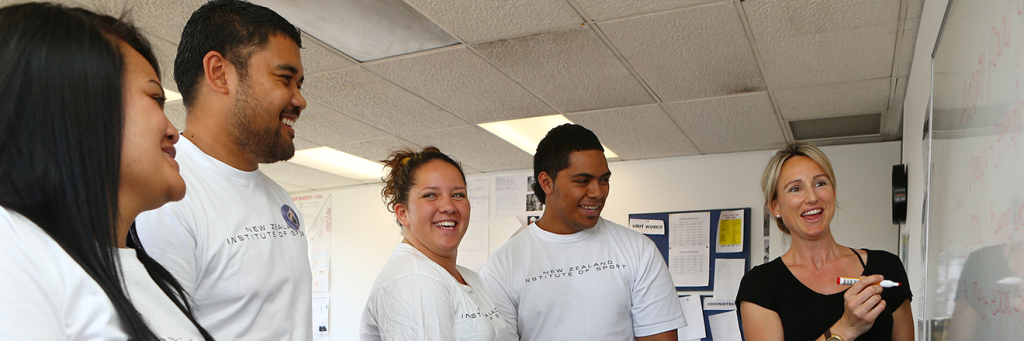
Posted in Curriculum | Comments Off on A comprehensive guide to Universal Design for Learning

Why PIAAC results matter for every New Zealander

Beyond the numbers

There are not a lot of people who get excited about international literacy and numeracy data. After all, the Programme for the International Assessment of Adult Competencies (PIAAC) survey is not exactly Friday night entertainment.

However, while its findings might not come with popcorn or a gripping plot, they do offer a crucial insight into how well the global adult population, including Aotearoa New Zealand, is equipped for work, life, and everything in between.

What is the PIAAC Survey?

Often referred to as the ‘literacy and numeracy census of the world’, PIAAC measures how adults apply essential skills in real-world contexts. The report looks at the literacy and numeracy skills of people aged 16 to 65. 

It doesn’t just measure how well people can read or count but also how they understand complex information, solve problems, and make financial decisions. It’s not just about passing a test; it’s about whether we, as a country, are setting people up to thrive.

Produced once every 10 years, the latest PIAAC survey (2023) has highlighted some real concerns around Aotearoa New Zealand’s literacy and numeracy rates. At the same time, there are still some wins to celebrate.

Why should New Zealanders care about PIAAC?

It’s tempting to file PIAAC under “education policy” and move on. Still, literacy and numeracy rates don’t just reflect what happens in classrooms—they affect every part of our lives. The data gathered in the PIAAC survey provides crucial information for understanding the capabilities of Aotearoa New Zealand’s workforce and our society as a whole.

Economic implications

Everyone should have access to education in order to gain opportunities that impact their life outcomes. Strong literacy and numeracy rates mean a more productive workforce, smarter decision-making, and fewer costly mistakes.

Community impact

The data is clear—higher literacy leads to better health outcomes, financial stability, and civic engagement. It’s not just about reading books; it’s about navigating life effectively and working together collectively as a society to uplift and support each other’s well-being and success.

The future of New Zealand

Investing in adult skills isn’t just about ticking an Organisation for Economic Co-operation and Development (OECD) box—it’s about ensuring we remain competitive in a rapidly evolving economy. Right now, automation and digital transformation are shifting job markets. If we don’t level up, we’ll be playing catch-up while other nations surge ahead.

Key takeaways from the PIAAC 2023 Report

The Ministry of Education strongly suggests that the PIAAC 2023 results be interpreted cautiously, particularly when comparing them to the results of the previous survey in 2014 and those of other countries.

Due to a limited sample size, it’s important to note that Aotearoa New Zealand’s results may not represent the population as a whole. Just under half (48%) of people selected for the 2023 Survey agreed to do so. This compares with just under two-thirds (63%) in 2014. 

Challenges identified

We’re seeing gaps concerning foundational literacy and numeracy, particularly among specific demographics. Young adults who’ve come through the education system more recently have unfortunately become a standout. The bottom line is this: some of our newer graduates are struggling with essential skills, and that’s just the surface. 

Māori and Pacific communities are disproportionately affected, facing systemic barriers to skill acquisition. Productivity is also taking a hit, with gaps in numeracy and literacy leading to inefficiencies in workplaces across the country. With younger people entering the workforce lacking essential skills, this decline is not just persisting—it’s increasing. 

The risk

Without action, these gaps translate into lower productivity, limited career progression, and economic drag. The global workforce is changing fast, and if we don’t keep up, we risk falling behind in ways that affect everything—from innovation to income levels.

For Māori and Pacific communities, these skill gaps contribute to persistent inequities in employment and earnings. The challenge is even more pressing for younger workers who are entering a workforce that demands skills they haven’t been adequately equipped with. As for businesses, the loss in productivity from a workforce struggling with foundational skills compounds year after year.

On a Positive Note

Some of our adults are performing well, particularly in problem-solving areas in technology-rich environments. The results show we have some real adaptability and critical thinking strengths worth celebrating.

The bigger picture 

Ako Aotearoa notes that the data supports a trend of decreasing literacy and numeracy levels, particularly among lower-income groups and vulnerable adult demographics, and an increasing proportion of school leavers entering the tertiary sector with lower skills. This issue is highlighted in the outcomes of the Programme for International Student Assessment (PISA), the National Certificate of Educational Achievement (NCEA), the Trends in International Mathematics and Science Study (TIMSS), and the Progress in International Reading Literacy Study (PIRLS).

For example, NCEA 2024 results within lower-income schools were concerning, with half of participating students failing to meet NCEA Level One reading and two-thirds failing Level One numeracy. Provisional 2025 results suggest similar outcomes. The 2022 PISA results found a significant performance gap within socio-economic status and highlighted a decline in lower-income schools’ reading and numeracy levels. Furthermore, the 2023 TIMSS also indicated a concerning increase in performance range, meaning a greater gap between higher and lower-achieving students. Finally, the 2021 PIRLS identified a widening achievement gap in reading skills.

In addition to aligning with these studies, the PIAAC results are supported by ongoing feedback we’ve received from the educational and business sectors. These sectors have identified a growing issue within trades training, with apprentices experiencing difficulties with tasks ranging from reading measuring tapes to developing higher-level skills such as applying the Pythagoras theorem.

Feedback also suggests unusually high drop-out rates of young adults engaging with online distance learning. Again, the difficulty is reported as a consequence of serious literacy and numeracy difficulties.

Where do we go from here?

Here’s the thing: data alone doesn’t change anything. What matters is what we do with it. The PIAAC 2023 report gives us a wake-up call, not a final verdict. The numbers tell us where we stand—but the real question is, where to next?

We can either keep talking about these challenges every survey cycle or start embedding real solutions in workplaces, tertiary education, and community learning. Literacy and numeracy skills shouldn’t just live in education courses; they should be woven into every subject, every workplace training, and every life skill program.

We can also get better at making literacy and numeracy more engaging. Getting tertiary educators to embed these skills into subject areas can feel like a challenge. What we need are strategies that make it natural, relevant, and rewarding.

And finally, we need to shift the national conversation. Literacy and numeracy aren’t just educational buzzwords—they’re the keys to unlocking economic resilience, social mobility, and a stronger Aotearoa New Zealand.

We need to get moving. Not just toward better stats but also toward a future where every adult in Aotearoa New Zealand has the skills they need to thrive. 

With thanks to Graeme Smith and Dr Damon Whitten for their contributions to this post.


This was an Ako Aotearoa blog originally published in March 2025.
Links were correct at the time of publish but will not be updated again in the future.

Posted in Language, Literacy and Numeracy (LLN) | Comments Off on Why PIAAC results matter for every New Zealander

Contributing to better tertiary teaching and learning outcomes

This Synthesis report is a summary of two reports on the impact of Ako Aotearoa’s co-funded projects.

Download the report:

Background:

These Synthesis reports aim to highlight Ako Aotearoa funded projects and demonstrate the impact that Ako Aotearoa’s work has achieved.

They provide a range of insights, discoveries and strategies that practitioners can utilise and learn from, and also provide some indication of the gaps in research where further work is required.


Posted in Strategic leadership and change | Leave a comment

Building capability and connection – how Ako Aotearoa added value to tertiary education in Aotearoa New Zealand

This Synthesis report aims to demonstrate the impact that Ako Aotearoa’s work has achieved over the ten years from 2007 – 2017, to support the sustainable improvement of tertiary teaching and learning.

Published 2017.

Download the report:

Background:

These Synthesis reports aim to highlight Ako Aotearoa funded projects and demonstrate the impact that Ako Aotearoa’s work has achieved.

They provide a range of insights, discoveries and strategies that practitioners can utilise and learn from, and also provide some indication of the gaps in research where further work is required.


Posted in Strategic leadership and change | Leave a comment

Educating health practitioners | What works

This Synthesis report provides a summary of Ako Aotearoa-funded projects that explore approaches to educating and assessing health practitioners. These projects describe what educators and researchers have done to support the learning of health and allied health professionals, and the extent to which these learning initiatives have worked.

Report prepared for Ako Aotearoa by Anne Alkema. Published 2016.

Download the report:

Background:

These Synthesis reports aim to highlight Ako Aotearoa funded projects and demonstrate the impact that Ako Aotearoa’s work has achieved.

They provide a range of insights, discoveries and strategies that practitioners can utilise and learn from, and also provide some indication of the gaps in research where further work is required.


Posted in Industry specific resources | Leave a comment

e-Learning in tertiary Education | Highlights from Ako Aotearoa supported research

This Synthesis report provides the outcomes from Ako Aotearoa projects engaging with the diverse implications of technology for New Zealand tertiary education. These projects cover seven years of thoughtful engagement with e-learning and tertiary education.

Report prepared for Ako Aotearoa by Stephen Marshall and Deb Shepherd. Published 2016.

Download the report:

Background:

These Synthesis reports aim to highlight Ako Aotearoa funded projects and demonstrate the impact that Ako Aotearoa’s work has achieved.

They provide a range of insights, discoveries and strategies that practitioners can utilise and learn from, and also provide some indication of the gaps in research where further work is required.


Posted in Online learning | Leave a comment

Success for Pasifika in tertiary education | Highlights from Ako Aotearoa supported research

This Synthesis report presents highlights and key findings from Ako Aotearoa funded projects providing a summary of the recurrent themes on what leads to improved outcomes for Pasifika learners in tertiary education.

Report prepared for Ako Aotearoa by Anne Alkema. Published 2014.

Download the report:

Background:

These Synthesis reports aim to highlight Ako Aotearoa funded projects and demonstrate the impact that Ako Aotearoa’s work has achieved.

They provide a range of insights, discoveries and strategies that practitioners can utilise and learn from, and also provide some indication of the gaps in research where further work is required.


Posted in Pacific learner success | Leave a comment

Designing the bridges | Highlights from Ako Aotearoa supported foundation, bridging and LLN research projects

This Synthesis report presents highlights and key findings from Ako Aotearoa funded projects that have worked to address the issue of how to design education to ensure the successful participation of those marginal to the established systems in New Zealand society and its workplaces.

Report prepared for Ako Aotearoa by Helen Anderson. Published 2017.

Download the report:

Background:

These Synthesis reports aim to highlight Ako Aotearoa funded projects and demonstrate the impact that Ako Aotearoa’s work has achieved.

They provide a range of insights, discoveries and strategies that practitioners can utilise and learn from, and also provide some indication of the gaps in research where further work is required.


Posted in Language, Literacy and Numeracy (LLN) | Leave a comment

Learning in and for work | Highlights from Ako Aotearoa Research

This report presents highlights and key findings from Ako Aotearoa funded projects that focused on factors that make for successful workplace learning for learners/trainees, their tertiary education organisations (TEOs) and their workplaces.

Report prepared for Ako Aotearoa by Anne Alkema and Heather McDonald. Published 2014.

Download the report:

Background:

These Synthesis reports aim to highlight Ako Aotearoa funded projects and demonstrate the impact that Ako Aotearoa’s work has achieved.

They provide a range of insights, discoveries and strategies that practitioners can utilise and learn from, and also provide some indication of the gaps in research where further work is required.


Posted in Workplace learning | Leave a comment

Professional standards for tertiary teachers | A synthesis of recent work and initiatives

This report was prepared to further the debate for the introduction of professional standards across the tertiary education sector in Aotearoa New Zealand.

Report prepared for Ako Aotearoa by Gordon Suddaby. Published in 2019.

Download the report:

Background:

These Synthesis reports aim to highlight Ako Aotearoa funded projects and demonstrate the impact that Ako Aotearoa’s work has achieved.

They provide a range of insights, discoveries and strategies that practitioners can utilise and learn from, and also provide some indication of the gaps in research where further work is required.


Posted in Professional learning | Leave a comment

Māori learner success in tertiary education | Highlights from Ako Aotearoa supported research projects

This report presents highlights and key findings from Ako Aotearoa funded projects that focused on supporting and developing Māori learner success; practitioner development in tertiary education; and institutional support for learners to engage with Te Ao Māori in learning environments that are culturally inclusive and meaningful.

Report prepared for Ako Aotearoa by Dr Acushla Sciascia. Published in 2017.

Download the report:

Background:

These Synthesis reports aim to highlight Ako Aotearoa funded projects and demonstrate the impact that Ako Aotearoa’s work has achieved.

They provide a range of insights, discoveries and strategies that practitioners can utilise and learn from, and also provide some indication of the gaps in research where further work is required.


Posted in Māori learner success | Leave a comment

Pasifika learners and success in tertiary education

This report details effective educational strategies for Pacific learners in tertiary education, highlighting the significance of appreciative pedagogy, positive teaching and learning connections, and institutional commitment as key factors in achieving their success.

Download the report:

Background:

A project, completed in 2013 at Victoria University of Wellington (VUW), to examine good organisational practice that supports Pacific learners to succeed in tertiary education using the Kakala Research Framework.

The primary aim of the research project was to identify the educational practices that work best to achieve, sustain and reproduce Pacific student success in tertiary education.

Report prepared by Cherie Chu, Ivy Samala Abella and Seann Paurini.


Co-funded by the Ako Aotearoa National Project Fund (NPF)

Posted in Pacific learner success | Comments Off on Pasifika learners and success in tertiary education

Lecturing proficiency and effectiveness of New Zealand accounting and finance academics

This report introduces a conceptual model accounting and finance educators can use to improve their students’ learning experience.

The study’s findings also have practical applications for the teaching of accounting and the design of accounting, finance, and, more generally, business education research.

Download the report:

Background:

A two-year project, completed in 2016, to investigate how accounting and finance academics can improve their proficiency and effectiveness as teachers.

A collaboration of University of Otago and University of Canterbury.

Report prepared by Ralph Adler, Helen Roberts, Neil Crombie and Keith Dixon.


Co-funded by the Ako Aotearoa Regional Hub Project Fund (RHPF)

Posted in Industry specific resources | Comments Off on Lecturing proficiency and effectiveness of New Zealand accounting and finance academics

Making literacy portable: Digitising the programme

A redevelopment of the text-based material on the “Parent and Child Time Together” (PACTT) component of the Manukau Family Literacy programme to a digital video/multi-media presentation format that can be used in a range of environments, by a variety of people.

Supporting video:

Background:

This project, completed in 2009, aimed to develop the PACTT programme into a digital video/multi-media presentation format to make the PACTT programme material more useful for other kinds of providers.

A collaboration of City of Manukau Education Trust and AUT University.


Co-funded by the Ako Aotearoa Regional Hub Project Fund (RHPF)

Posted in Adult and community education | Comments Off on Making literacy portable: Digitising the programme

Disseminating non-technical capabilities to veterinary undergraduates in New Zealand

Where the value of “analytical intelligence” (IQ) has traditionally maintained pre-eminence in veterinary medical education, there is an increasing need for students to develop “emotional intelligence” (EQ). Educators often refer to the qualities encompassed by EQ as “non-technical competencies” and acknowledge that veterinarians require more training in this area to be successful.

This gap analysis report investigates differences between international best practice and current methods of disseminating these non-technical capabilities to Veterinary Undergraduates in New Zealand.

Download the report:

Background:

This project, completed in 2009 by Massey University, aimed to compare the dissemination strategies at four international veterinary schools (University of Sydney; Nottingham University; Washington State University; Murdoch University) with the dissemination approach at the New Zealand Institute of Veterinary, Animal and Biomedical Sciences at Massey University in Palmerston North.

Research report prepared by Frazer Allan and Helen Hughes.


Co-funded by the Ako Aotearoa Regional Hub Project Fund (RHPF)

Posted in Industry specific resources | Comments Off on Disseminating non-technical capabilities to veterinary undergraduates in New Zealand

Strategic management for e-Learning

Taking the Lead

This report presents the findings from an investigation into how tertiary institutions are using e-learning and offers guidelines for institutional practice.

This report is aimed at the chief executives and senior executive officers of New Zealand’s tertiary education institutions and organisations. It is designed to help you consider the contribution you can make to the strategic development and management of e-Learning in your institution.

An accompanying set of case studies from New Zealand Tertiary Education Organisations illustrate the themes explored in the report.

While this research is from 2008, the findings may still be of use for guiding decision making in the rapidly evolving area of technology-enhanced learning.

Resource download:

Summary report | Taking the Lead, Strategic Management for e-Learning (PDF, 3Mb)

Full report | Taking the Lead, Strategic Management for e-Learning (PDF, 400Kb)

Quick reference poster | Taking the Lead, Strategic Management for e-Learning (PDF, 300Kb)

Organisational case studies:

AUT University – Providing Leadership for Teaching and Learning (and e-Learning) (PDF, 100Kb)

Bay of Plenty Polytechnic – Staff Development in a Smaller Institution (PDF, 100Kb)

New Zealand Tertiary College – Strategic Management for e-Learning in the Private Sector (PDF, 100Kb)

The Open Polytechnic – Planning and Development of e-Learning Courses (PDF, 100Kb)

University of Auckland – Organisational Restructuring to Support e-Learning (PDF, 100Kb)

UCOL – The Importance of Locus As Well As Focus (PDF, 100Kb)

TANZ – Collaboration Across the Sector (PDF, 100Kb)

NorthTec – Leadership of Core Strategies (PDF, 100Kb)

Manukau Institute of Technology – The Contribution of Strong Leadership (PDF, 100Kb)

University of Canterbury – Developing e-Learning without an Explicit e-Learning Strategy (PDF, 100Kb)

Otago Polytechnic – Strong Strategic Leadership (PDF, 100Kb)

Te Whare Wānanga o Awanuiārangi – Putting the e in Wānanga (PDF, 100Kb)

Wintec – Contracting Services from Outside the Institution (PDF, 100Kb)

Whitireia Community Polytechnic – Planning e-Learning at a Programme Level (PDF, 100Kb)

Massey University – Devolution of Control (PDF, 100Kb)

Massey University – Developing an Online Infrastructure (PDF, 100Kb)

Background:

A Ministry of Education funded project, completed in 2008, to learn how tertiary institutions are using e-learning practices and develop guidelines for tertiary education practitioners.

A collaboration of AUT University, Bay of Plenty Polytechnic, Manukau Institute of Technology, Massey University, New Zealand Tertiary College, NorthTec, The Open Polytechnic, Otago Polytechnic, TANZ, Te Whare Wānanga O Awanuiārangi, UCOL, University of Auckland, University of Canterbury, University of Otago, Whitireia Community Polytechnic, Wintec and Ako Aotearoa.

Reports prepared for Ako Aotearoa and the Ministry of Education by Andrew Higgins and Tom Prebble.


Posted in Strategic leadership and change | Leave a comment

Professional development to improve outcomes for learners aged under 25

This report explores the teaching and learning approaches that work best for learners under 25 years of age. It introduces an integrated professional development decision-making model to developing effective teachers for Under-25s, in which the ākonga/student voice is at the centre.
This professional development model is intended for use by whole organisations (that is, by teachers, staff developers, and management). It is a model for change, and is intended to be both sustainable and transforming.

The accompanying teaching resources, developed for teachers, staff developers and managers, have been designed to enhance practice and have come about through critical understanding of factors that are required for successful professional development that leads to positive student outcomes.

Resource download:

Background:

Improved educational outcomes for youth are a key focus for central government and the future social and economic aspirations of our country. But how do we know which teaching and learning approaches work best for those under 25 years of age?

This two-year project, completed in 2016, aimed to create an integrated professional development decision-making model for teachers of students aged 25 and younger.

A collaboration of Eastern Institute of Technology, Bay of Plenty Polytechnic, Te Whare Wānanga o Awanuiārangi and Waiariki Institute of Technology.

Report prepared by Judith Honeyfield, Lesley Petersen, Vaughan Bidois, Liz Fitchett, Helen van Toor, Leonie Nicholls and Mike Crossan.


Co-funded by the Ako Aotearoa National Project Fund (NPF)

Posted in Professional learning | Leave a comment